

 Polski
 English
 Українська
 Deutsch
 Italiano
 Français
News · Rotary Club Warszawa City
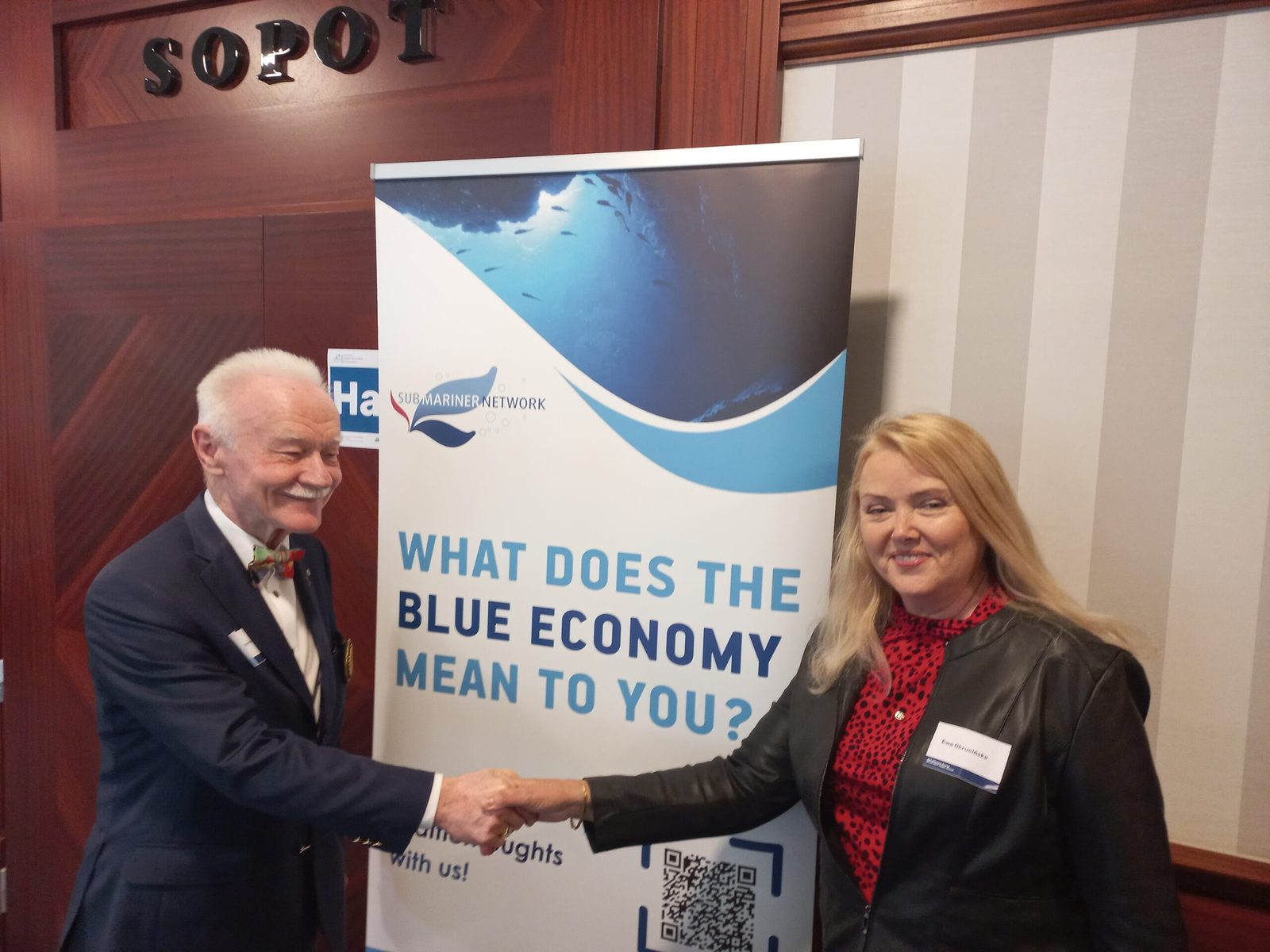
Rotarians are taking increasing care of the natural environment
Yet humanity’s survival on Earth has always been threatened by our planet’s inability to cope with a rapidly growing population that pollutes and depletes our natural resources through a lack of awareness of how to care for them.
If we continue to pollute the air we breathe and the water we drink, to name just a few of the essentials for our survival, other forms of assistance will become irrelevant because vast numbers of people will simply not survive. Climate change is only the tip of the iceberg in terms of what we could lose if we do not act now to save our environment.
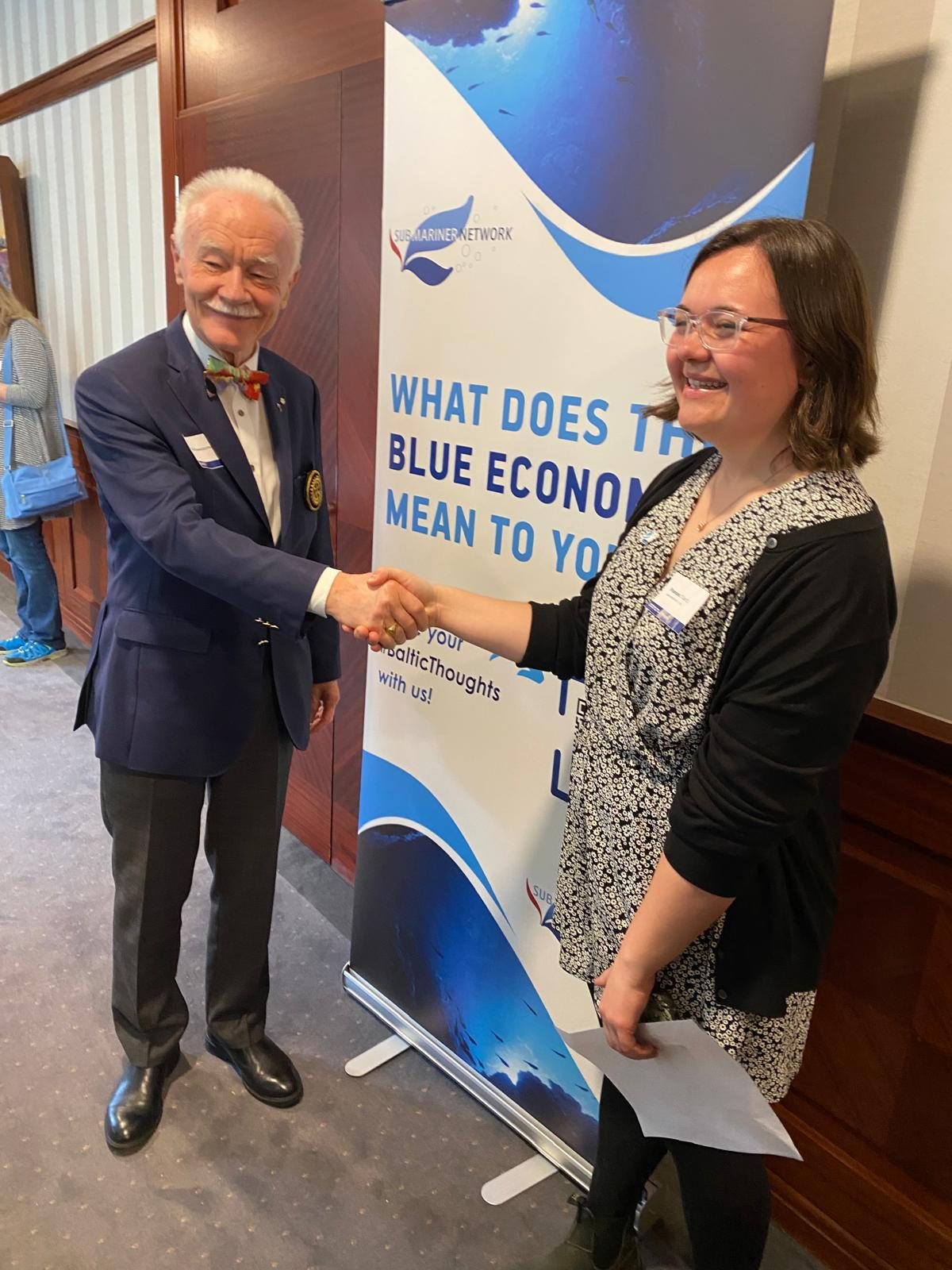
At the Rotary International Convention in Sydney, Australia, in 2014, with the help of Rotarians from the USA, Spain and the United Kingdom, we began raising awareness about preserving these fundamental elements that sustain life on our planet. A year later, we established the Environmental Sustainability Rotary Action Group (ESRAG), of which I was a director and founder in the Polish Rotary District.
At the next five RICONS meetings in São Paulo, Seoul, Atlanta, Toronto and Hamburg, we discussed the urgent need to clean up our natural environment. Our mission was so successful that RI made the environment a new, seventh area of focus for all Rotarians worldwide.
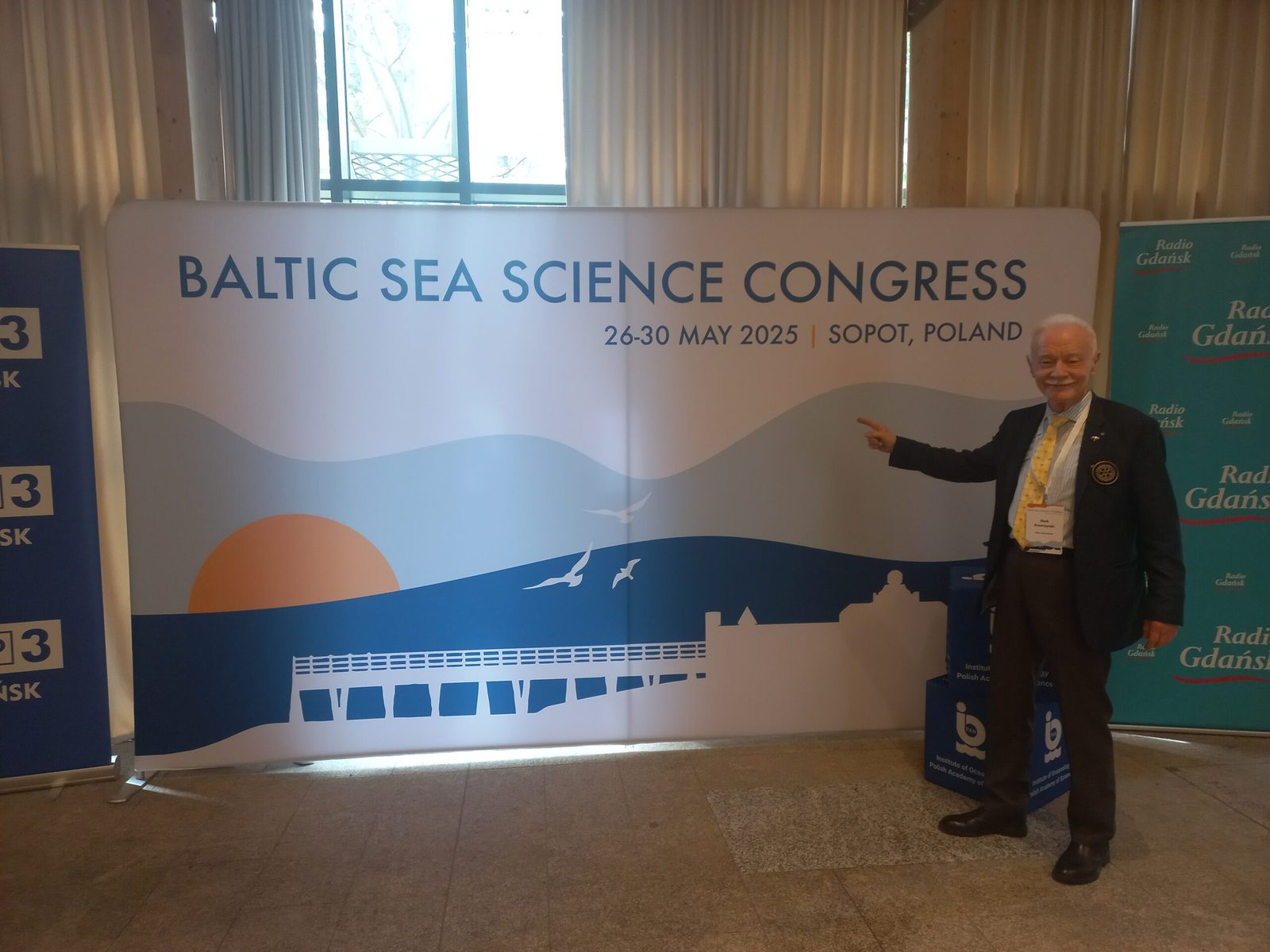
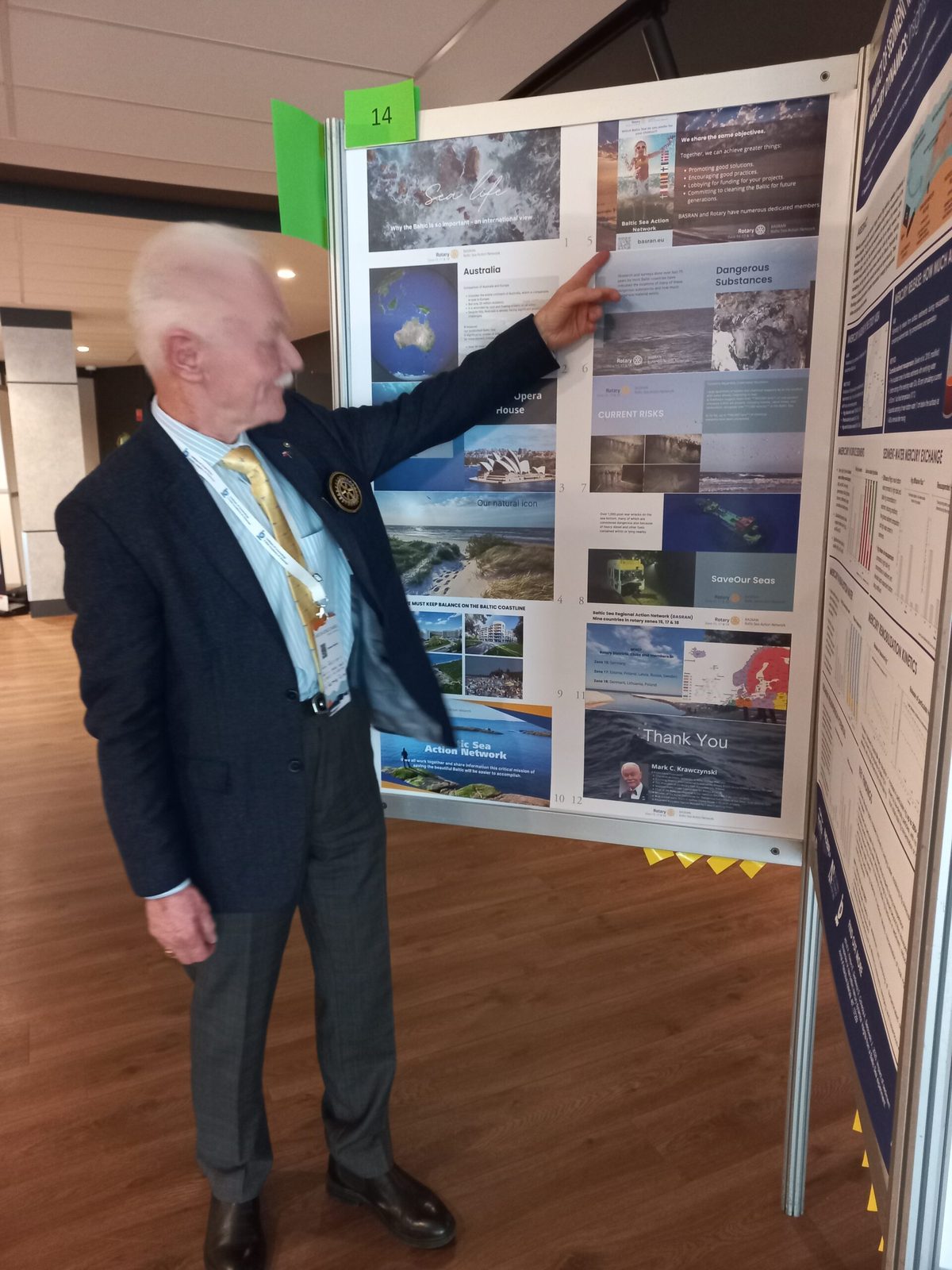
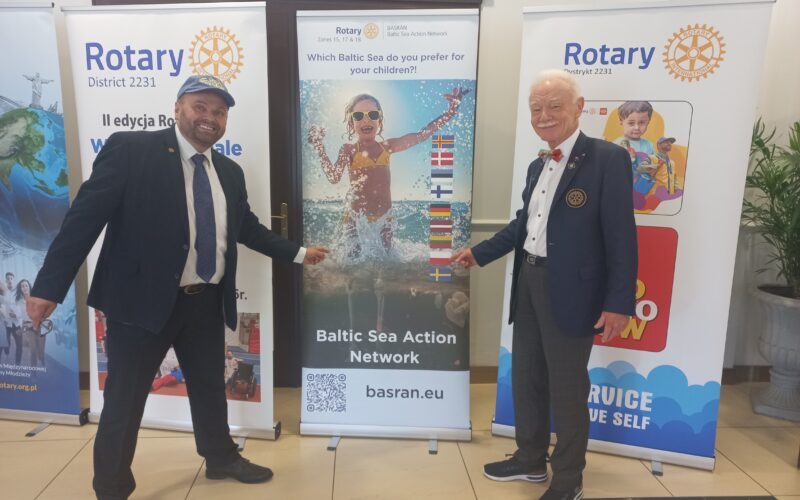
In Hamburg in 2019, I was asked to chair a new European interest group concerned with the Baltic Sea, one of the most polluted bodies of water on our planet. Its present condition is mainly affected by the remains of enormous quantities of weapons and chemicals dumped on the seabed after the Second World War. Now, after 70 years underwater, these substances are beginning to leak and pose a major threat to people and to the Baltic’s flora and fauna. That is why, several years ago, we created a group called the Baltic Sea Regional Action Network for Rotarians (BASRAN). Rotarians from every Baltic country were soon joined by many other concerned people from across the Baltic Sea basin and beyond. We organised many awareness-raising conferences and webinars, inviting experts and special guests, including RI Presidents and a Princess of Sweden. During my two-year term as BASRAN Chair, we increased membership to more than 1,000! The challenges of protecting Baltic waters became so varied that in 2023 we set up five working groups. One, which I still chair, is called ‘Hazardous Substances on the Baltic Seabed’. This is now the largest and most urgent challenge, because ‘rust never sleeps’ and the Baltic is full of sunken wrecks. If hazardous materials leak out, our beautiful Baltic Sea could become ‘unusable’ within the next 30 years.
I have had the opportunity to present this issue at many conferences. I hope these activities have made a significant contribution to increasing interest in environmental protection among Polish Rotarians and many people outside Rotary as well.
Together, we can achieve more. Almost €500 million is already being allocated this year to the first projects of this kind in nine Baltic Sea countries.
References
- ↑ “Rotarianie coraz bardziej troszczą się o środowisko naturalne”. Rotary Polska, rotary.org.pl. Original publication of the article (in Polish). [accessed 2026-11-05]